Your cleanser is used twice daily, every day—yet it’s often the most neglected purchase decision in a skincare routine. The wrong cleanser can strip your skin barrier, cause micro-inflammation, and make every subsequent product less effective. Here’s what to know.
The Skin Barrier and Why It Matters
Your skin’s outermost layer—the stratum corneum—functions as a physical and chemical barrier. It maintains moisture, keeps irritants out, and protects against environmental aggressors. Its natural pH is mildly acidic: between 4.5 and 5.5.
Traditional soaps have a pH of 9–11. When you wash your face with them, you alkalise this barrier temporarily. This disrupts the enzyme activity that holds skin cells together, causing tightness, dryness, and increased sensitivity. Even “mild” soaps can take 14 hours for your skin’s pH to return to baseline.
pH-Balanced Cleansers: The Baseline Requirement
Any cleanser you use should have a pH between 4.5 and 6.5. This maintains your acid mantle and allows your skin’s natural functions to continue undisturbed. If your skin feels “squeaky clean” after washing, that’s not clean—that’s stripped.
Types of Cleansers Explained
Gel Cleansers
Water-based, transparent formulas. Ideal for oily and combination skin. Effective at removing excess sebum without over-drying.
Cream and Milk Cleansers
Richer formulas with emollient ingredients. Ideal for dry, sensitive, or mature skin. May not fully remove heavy sunscreen or makeup on their own.
Foam Cleansers
Create a lather and provide a thorough cleanse. The foaming agents (typically sulphates) can be drying—check the formula’s pH and sulphate type. SLS-free foam cleansers are gentler.
Oil and Balm Cleansers
The first step in double cleansing. Oil-based formulas dissolve oil-based products (sunscreen, makeup) via the “like dissolves like” principle. They transform into a milky emulsion when water is added and rinse cleanly.
Double Cleansing: Who Actually Needs It
Double cleansing is recommended if you:
- Wear sunscreen daily (which everyone should)
- Use foundation, BB cream, or tinted products
- Have persistent congestion despite a careful routine
- Live in a high-pollution urban environment
In the evening: Step 1 is an oil-based cleanser (1 minute massage). Step 2 is your regular water-based cleanser. In the morning, a single gentle cleanse is typically sufficient—overnight, your skin doesn’t encounter external grime.
Common Cleansing Mistakes
- Water temperature: Hot water dilates pores temporarily but strips moisture. Lukewarm water is optimal.
- Over-cleansing: More than twice daily dries out skin and can trigger increased oil production
- Rubbing with a rough towel: Pat dry with a soft, clean towel—or let skin air-dry for 30 seconds before applying toner
- Using the same cleanser AM and PM: A lighter formula in the morning, a more thorough cleanse at night
Choosing by Skin Type
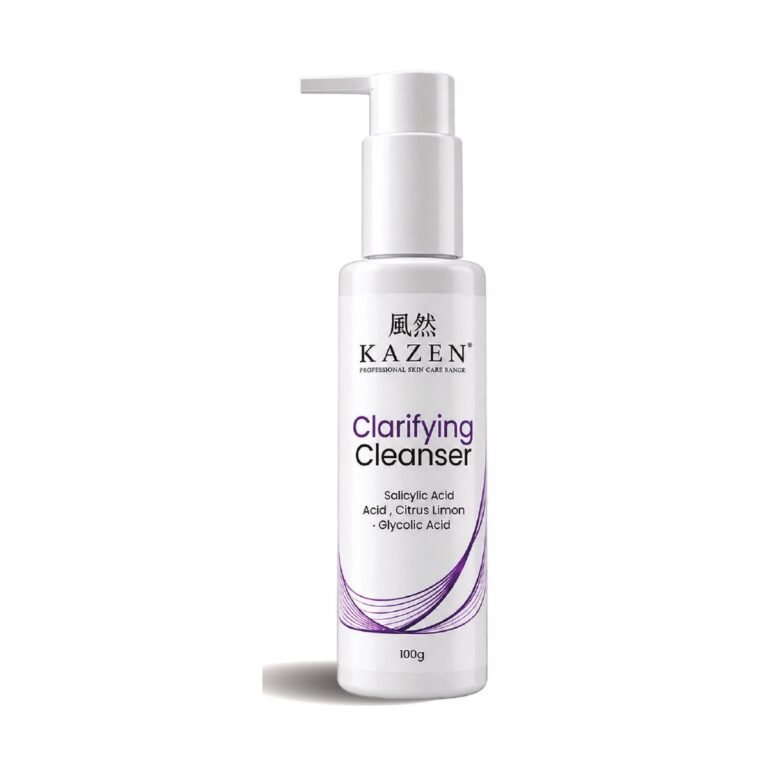
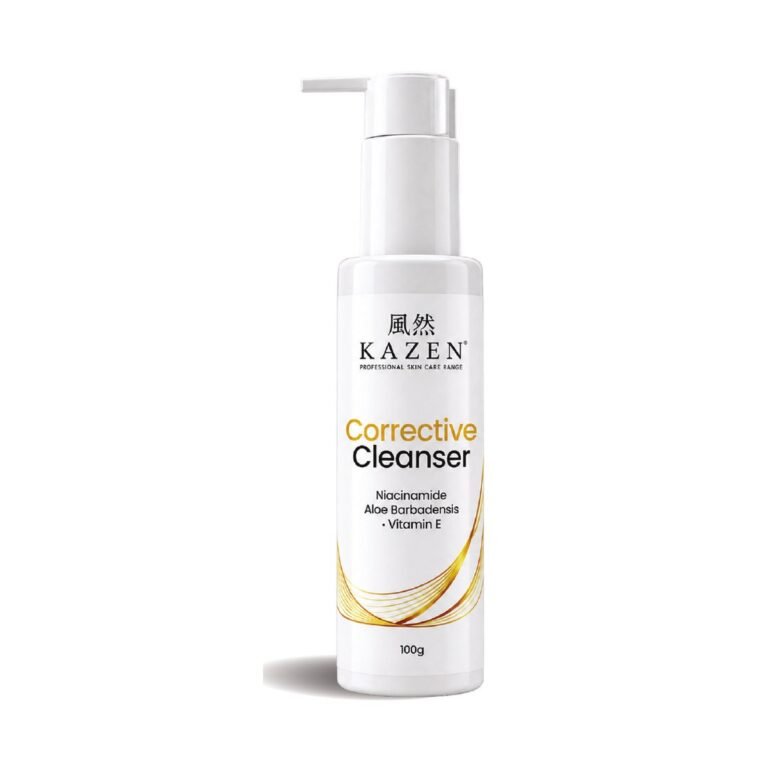
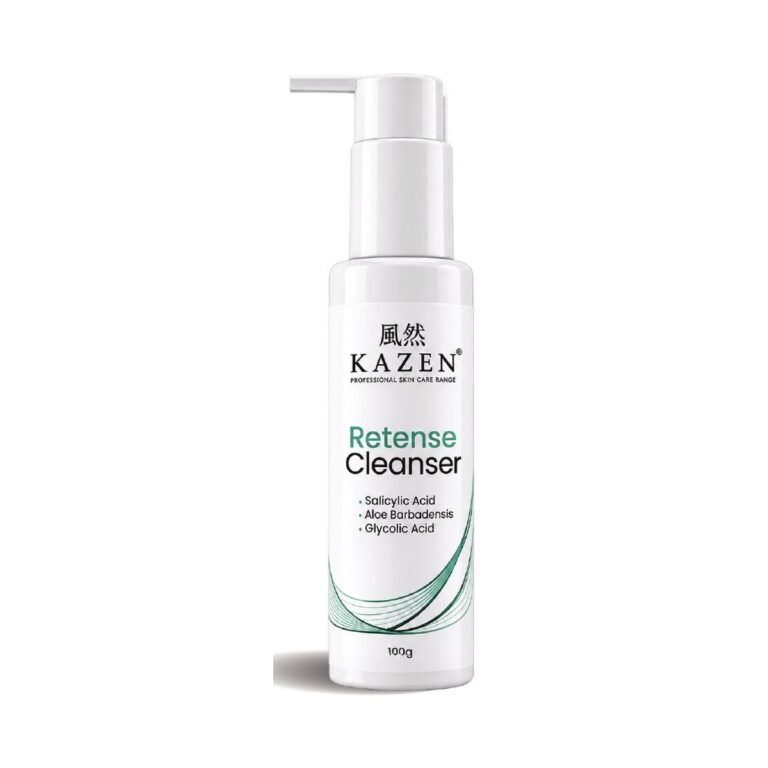
Oily/acne-prone: pH-balanced gel or foaming cleanser; look for salicylic acid or tea tree if you have congestion
Dry/dehydrated: Cream or milk cleanser; avoid sulphates; glycerin-based formulas work well
Sensitive: Fragrance-free, minimal ingredients, no essential oils; cream or micellar water
Combination: Balanced gel cleanser; avoid extremes in either direction
Your cleanser sets the stage for everything that follows. Get this step right and the rest of your routine works significantly better.
Published June 18, 2026 · 3 min read