Walk into any skincare aisle and the claim “deeply hydrates” appears on half the products. But hydration in skincare isn’t monolithic—there’s a meaningful difference between how a daily moisturiser works and what a sheet mask delivers, and using them interchangeably leaves results on the table.
How Moisturisers Work
A good moisturiser works through three mechanisms:
- Humectants (hyaluronic acid, glycerin, urea): attract water molecules from the environment or deeper skin layers to the surface
- Emollients (squalane, ceramides, fatty acids): fill the gaps between skin cells, improving texture and softness
- Occlusives (shea butter, petroleum jelly, dimethicone): create a physical seal over the skin surface to reduce transepidermal water loss (TEWL)
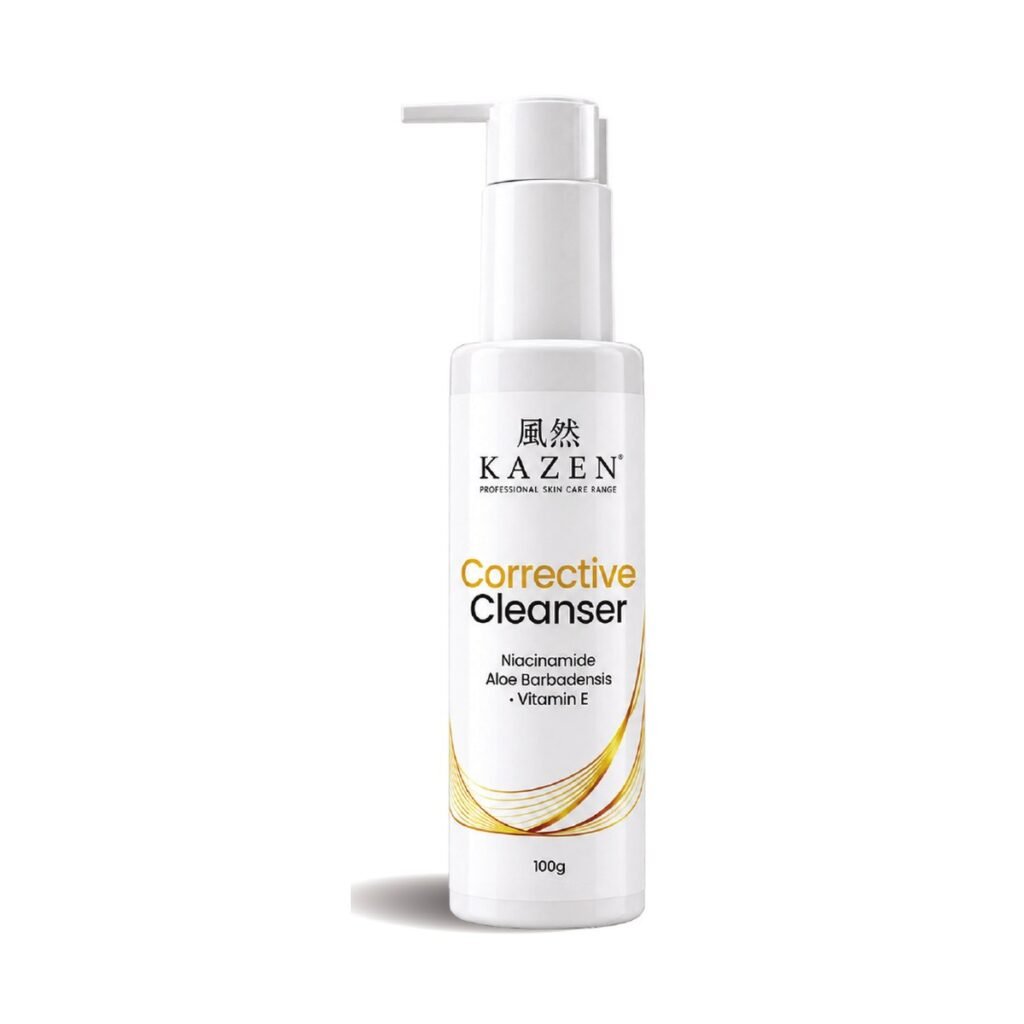
A well-formulated moisturiser contains all three categories in a balance suited to your skin type. It’s designed for daily, sustained hydration maintenance.
How Sheet Masks Work
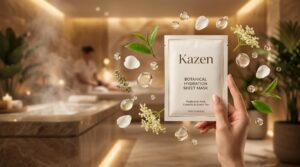
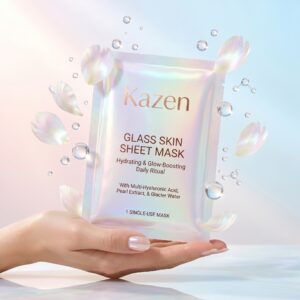
Sheet masks take a different approach: concentrated serum is held against the skin under an occlusive sheet for 15–20 minutes. The occlusion effect forces a higher concentration of active ingredients into the skin than you’d get from topical application alone—this is called occlusive delivery.
The essence in a sheet mask typically contains 5–10x the concentration of ingredients compared to a regular serum or toner. The result is an instant, visible plumping and brightening effect.
The Key Difference
Moisturisers provide maintenance hydration—daily baseline upkeep. Sheet masks deliver a concentrated dose for an acute boost. Think of a moisturiser as your daily diet and a sheet mask as a nutrient IV drip.
When to Use a Sheet Mask
- Before a special event or photography (the plumping effect is visible for 24–48 hours)
- When your skin feels particularly dehydrated (long flight, harsh weather, after illness)
- After sun exposure to calm and hydrate simultaneously
- When introducing a new active—sheet masks with recovery ingredients (centella, aloe) can reduce irritation
- 1–2 times per week for ongoing maintenance of a glow-forward routine
Sheet Mask Ingredient Guide
Hyaluronic acid masks: Maximum hydration, visible plumping, all skin types
Niacinamide masks: Brightening, pore-minimising, oily and combination skin
Centella asiatica (cica) masks: Calming and barrier-repair, sensitive and acne-prone skin
Collagen masks: Surface-level firming effect, mature or dehydrated skin
The Sheet Mask Aftercare Step Most People Skip
After removing a sheet mask, don’t rinse your face. Pat the remaining essence into your skin, then immediately apply your moisturiser to seal in the hydration. Skipping this step lets the concentrated essence evaporate—the opposite of what you want.
Choosing the Right Daily Moisturiser for Indian Climates
India’s varied climates demand different moisturiser textures:
- High-humidity coastal cities (Mumbai, Chennai, Kolkata): Lightweight gel or water-gel formulas; avoid heavy occlusives that feel suffocating
- Dry northern regions and winters (Delhi NCR, Rajasthan): Cream formulas with ceramides and shea butter
- Year-round dry heat (Hyderabad summers): Oil-free gel moisturiser with hyaluronic acid
The Routine
Daily: Cleanser → Toner → Serum → Moisturiser → SPF
2x per week or as needed: replace the serum step with a sheet mask (20 minutes), then apply moisturiser on top before bed.
Both tools earn their place in a thoughtful routine—they just play different positions. Master each one and your skin will tell the difference.
Published June 18, 2026 · 3 min read