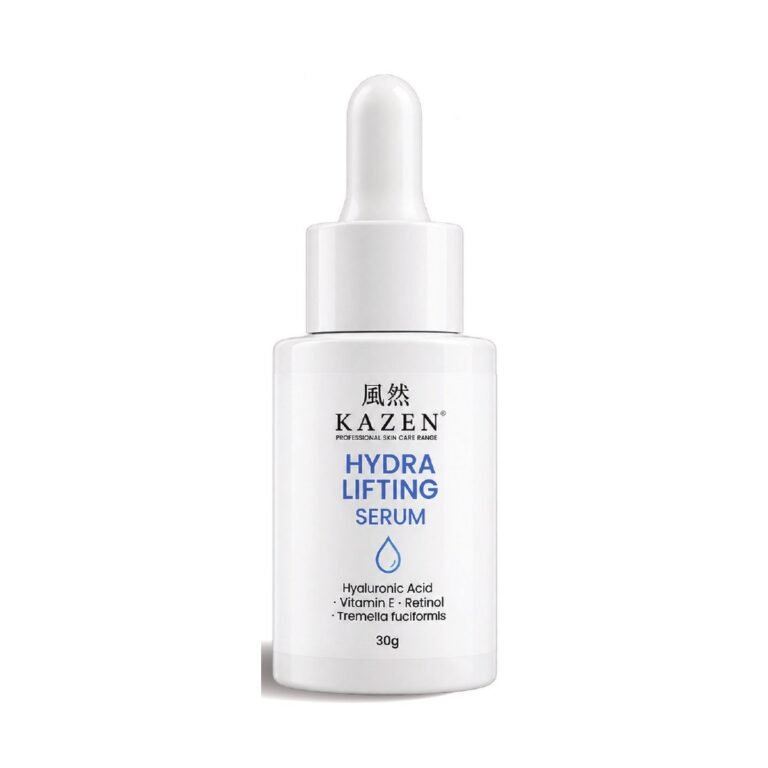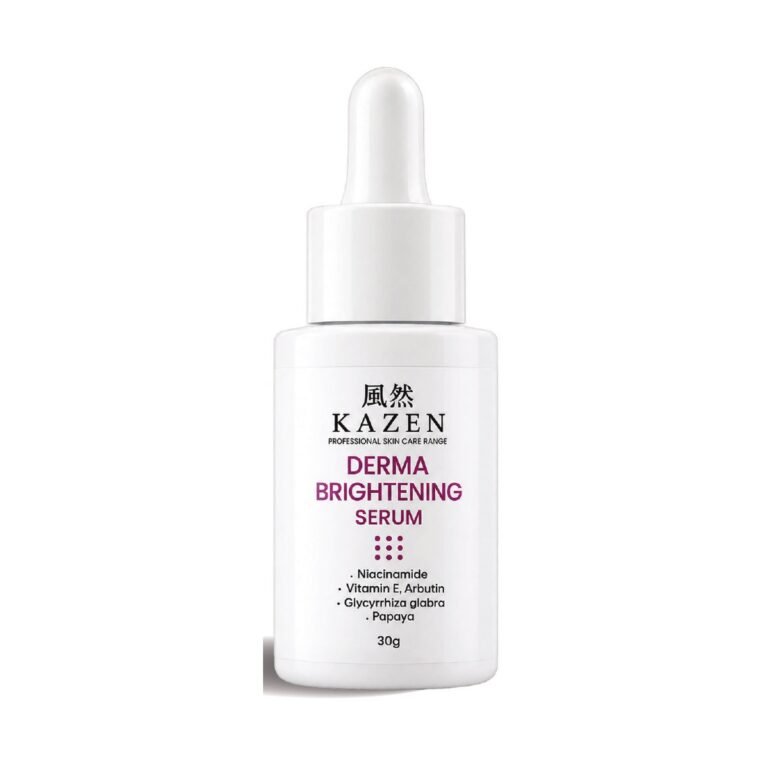
Serums are the workhorses of any skincare routine—concentrated formulas designed to deliver high doses of active ingredients directly to your skin. But not every active is right for every concern. Here’s a breakdown of what actually works and for whom.
Niacinamide (Vitamin B3) — The All-Rounder
Niacinamide is arguably the most versatile skincare active available. At 2–5% concentration it:
- Reduces appearance of enlarged pores
- Controls sebum production in oily skin
- Fades post-inflammatory hyperpigmentation (especially relevant for Indian skin tones)
- Strengthens the skin barrier
- Has anti-inflammatory properties
Best for: Oily, acne-prone skin; hyperpigmentation; beginners to actives
Safe to layer with: Hyaluronic acid, SPF, retinol (avoid mixing directly with Vitamin C)
Hyaluronic Acid — The Hydration Hero
Despite the word “acid,” hyaluronic acid (HA) is a humectant—it attracts water from the environment into the skin. One molecule of HA can hold up to 1,000 times its weight in water.
Key nuance: apply HA to damp skin and seal immediately with a moisturiser. In dry climates it can draw moisture out of the skin if not locked in.
Best for: All skin types; dehydrated skin; post-active recovery
Molecular weight matters: Low molecular weight HA penetrates deeper; high molecular weight provides surface-level plumping
Vitamin C — The Glow Ingredient
L-ascorbic acid (pure vitamin C) is the gold standard for brightening. It inhibits melanin synthesis, making it directly effective for uneven skin tone and sun damage—common concerns for South Asian skin.
The challenge: Vitamin C is unstable and oxidises quickly. Look for formulations with a stabiliser like vitamin E and ferulic acid (the classic CE Ferulic combination). Store in a cool, dark place.
Best for: Dull skin, hyperpigmentation, early signs of sun damage
Use in: Morning routine only; always follow with SPF
Alpha Arbutin — Targeted Brightening
Alpha arbutin converts to hydroquinone in the skin at a slow, controlled rate—delivering brightening benefits without the irritation of prescription-strength ingredients. It’s particularly effective for PIH, which is disproportionately common in melanin-rich skin.
Best for: Stubborn dark spots; post-acne marks; uneven skintone
Use at: 2% for daily use; combine with niacinamide for enhanced effect
Retinol — The Anti-Ageing Standard
Retinol accelerates cell turnover, stimulates collagen production, and unclogs pores. It’s one of the few ingredients with robust clinical evidence. The trade-off: a 2–4 week adjustment period of potential redness and flaking (the “retinol uglies”).
Start at: 0.025% or 0.05% and build up slowly. Use only at night and always with SPF the next morning.
Not for: Pregnant or breastfeeding individuals; actively irritated or sensitised skin
Peptides — The Long Game
Peptides are amino acid chains that signal the skin to produce more collagen. They work subtly over months rather than weeks—but they’re excellent for long-term skin health, especially from mid-20s onwards.
How to Layer Actives Without Irritation
The golden rules:
- Introduce one new active at a time
- Wait 2 weeks before adding another
- Don’t mix retinol with Vitamin C (use one AM, one PM)
- When in doubt, do less—irritated skin can’t absorb actives effectively
The best serum is the one your skin tolerates consistently. Consistency beats concentration every time.
Published June 18, 2026 · 3 min read